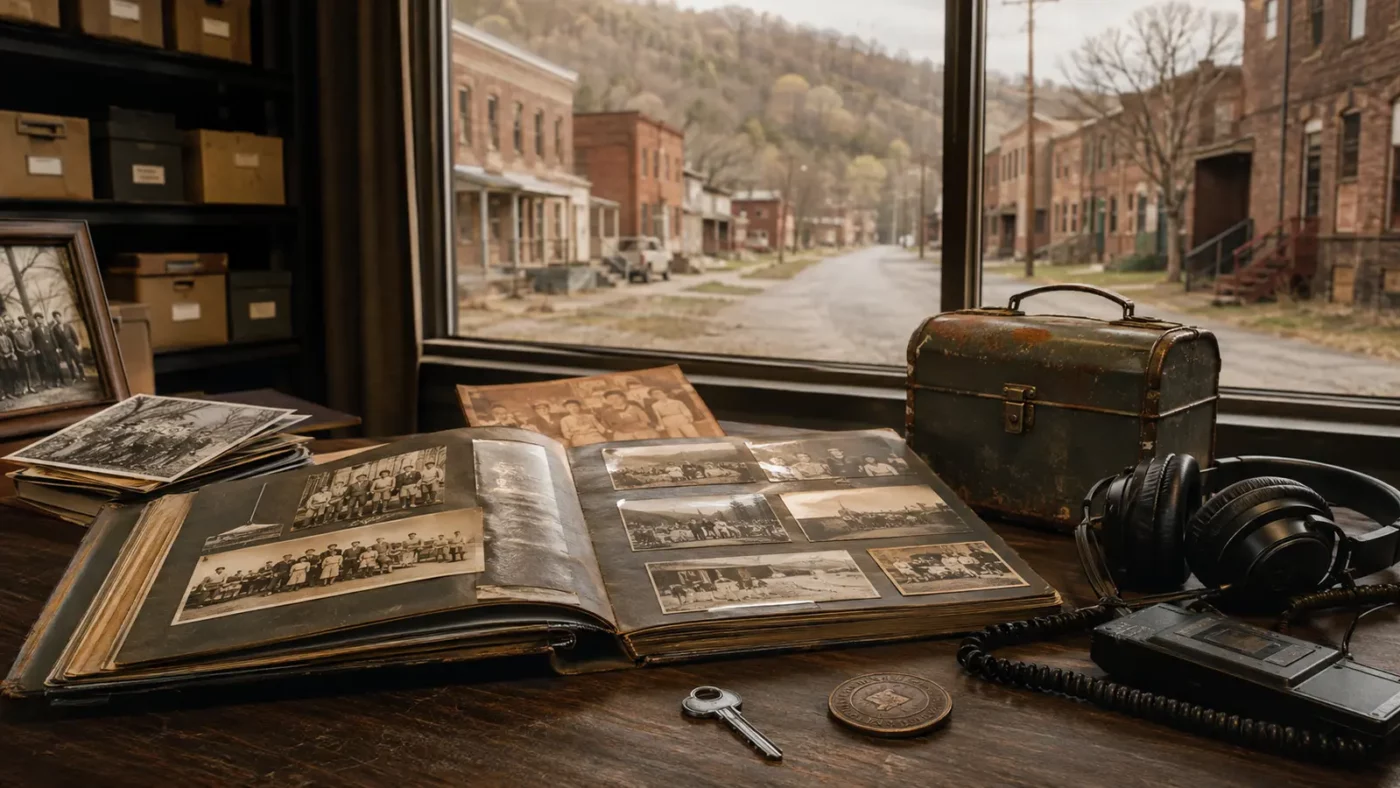
At a glance: A guide to writing about labor, families and displacement—not just dramatic decay.
An empty school photograph invites questions about peeling paint. A historical story should also ask who studied there, who taught, why families arrived and what made them leave.
How the place took shape
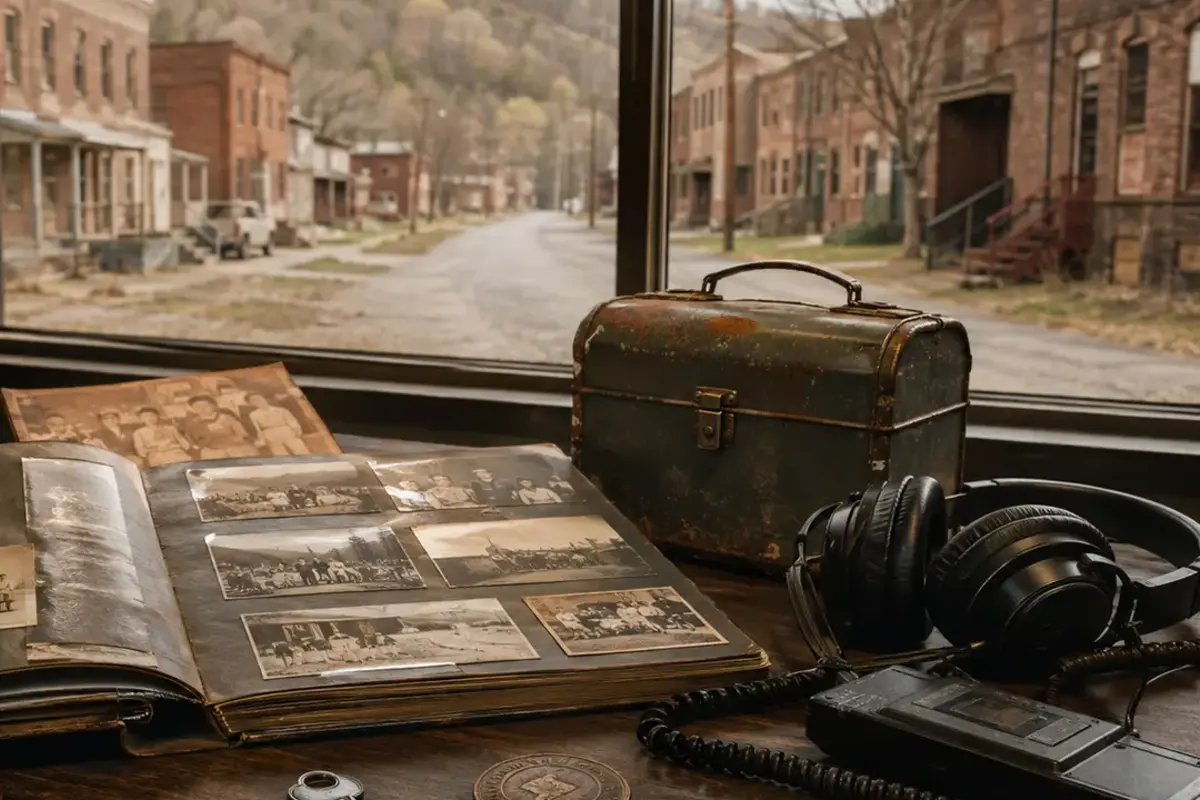
Start with work because many settlements existed around a mine, mill, railroad or resort. Then move outward to housing, segregation, education, religion and recreation.
Look for oral histories and photograph series. Former residents may remember pride and hardship at the same time; those accounts should not be forced into a simple tragedy.
Why the community changed
Avoid claiming that belongings were “left overnight” unless dependable evidence confirms it. Such language is common because it creates suspense, not because it is usually true.
Explain agency and structure together. Individuals choose to move, but employment loss, eminent domain, discrimination and infrastructure influence the options available.
What remains today
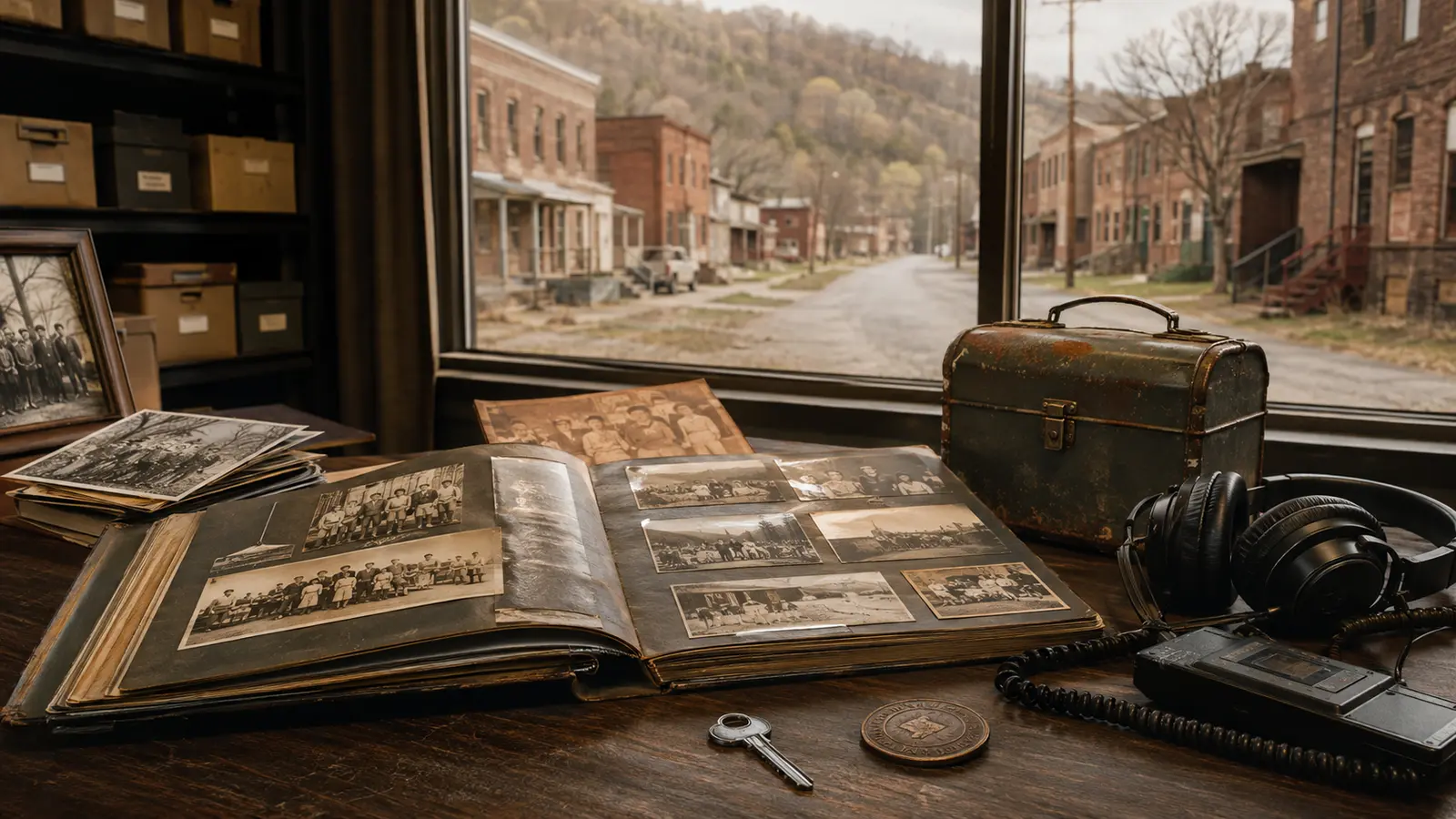
Blue Heron’s interpretation pairs industrial remains with recorded community voices, offering a model for people-centered storytelling.
When photographing a living, depopulated community, seek consent for close views of homes and do not publish identifying details carelessly.
Why this story matters
The strongest abandoned-place story makes readers imagine ordinary life before decay. Empathy creates lasting interest more effectively than fabricated mystery.
Places like this are often reduced to a single dramatic label—ghost town, ruin, failure—but the physical remains tell a more complicated story. Economic decisions, transportation networks, natural resources and public policy all shape whether a community grows, adapts or disappears. Reading the landscape carefully means remembering that these were workplaces and homes before they became destinations.
Primary reference: National Park Service — Blue Heron. This article summarizes public-history information in original language and adds editorial context; it does not reproduce the source text.