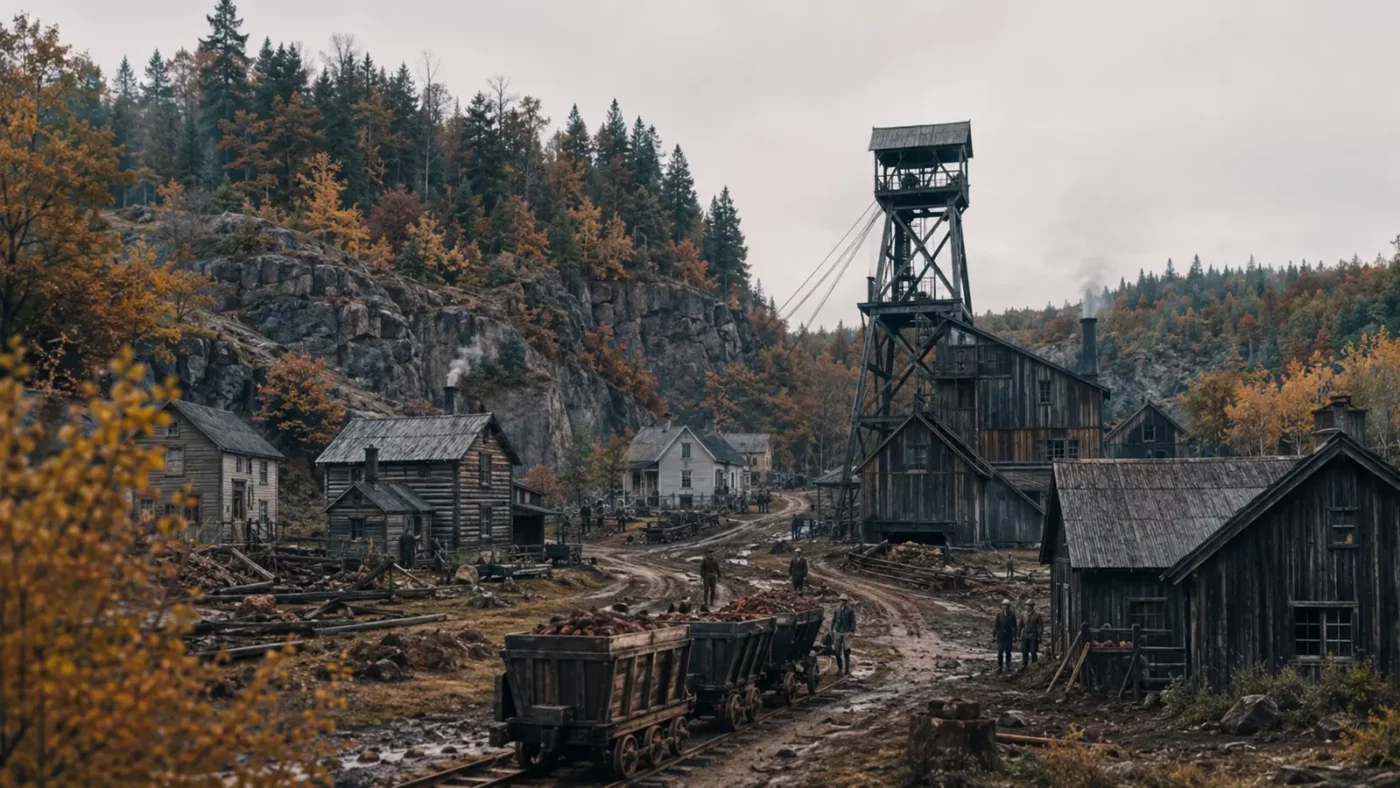
At a glance: A former iron-mining community photographed during the Great Depression.
Russell Lee’s 1937 photographs of Mansfield show ruins, abandoned social buildings and a few remaining residents. The images resist the idea that a ghost town becomes empty at a precise moment.
How the place took shape
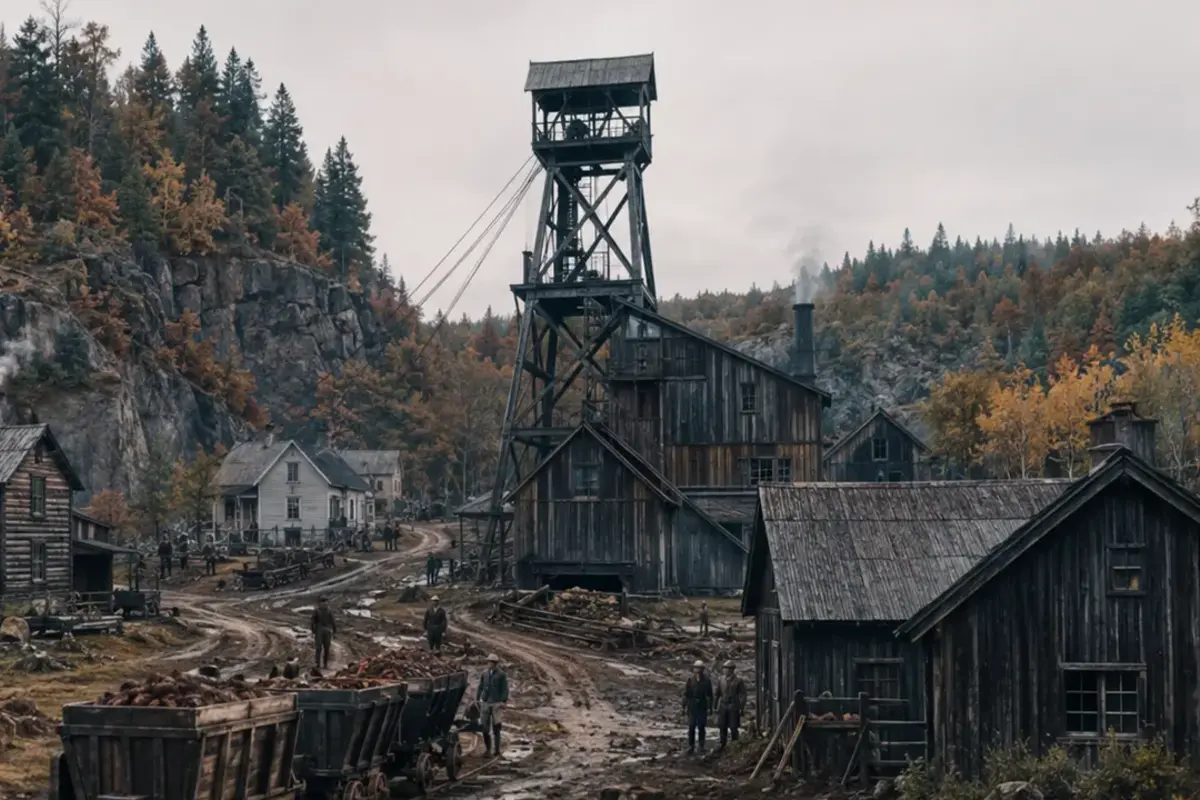
Iron mining supported the community in central Michigan. Houses, businesses and gathering places developed near the work, including buildings identified in the archive as a temperance hall and saloon.
The settlement contained social tensions and ordinary routines beyond the mine. Federal photographs captured people gardening and living near industrial remains.

Why the community changed
Mining decline removed the employment base that had supported Mansfield. Buildings fell out of use as residents moved or adapted to rural life.
By the time Lee arrived, the place was already described as a ghost town, yet people remained. The camera documented both abandonment and continuity.
What remains today
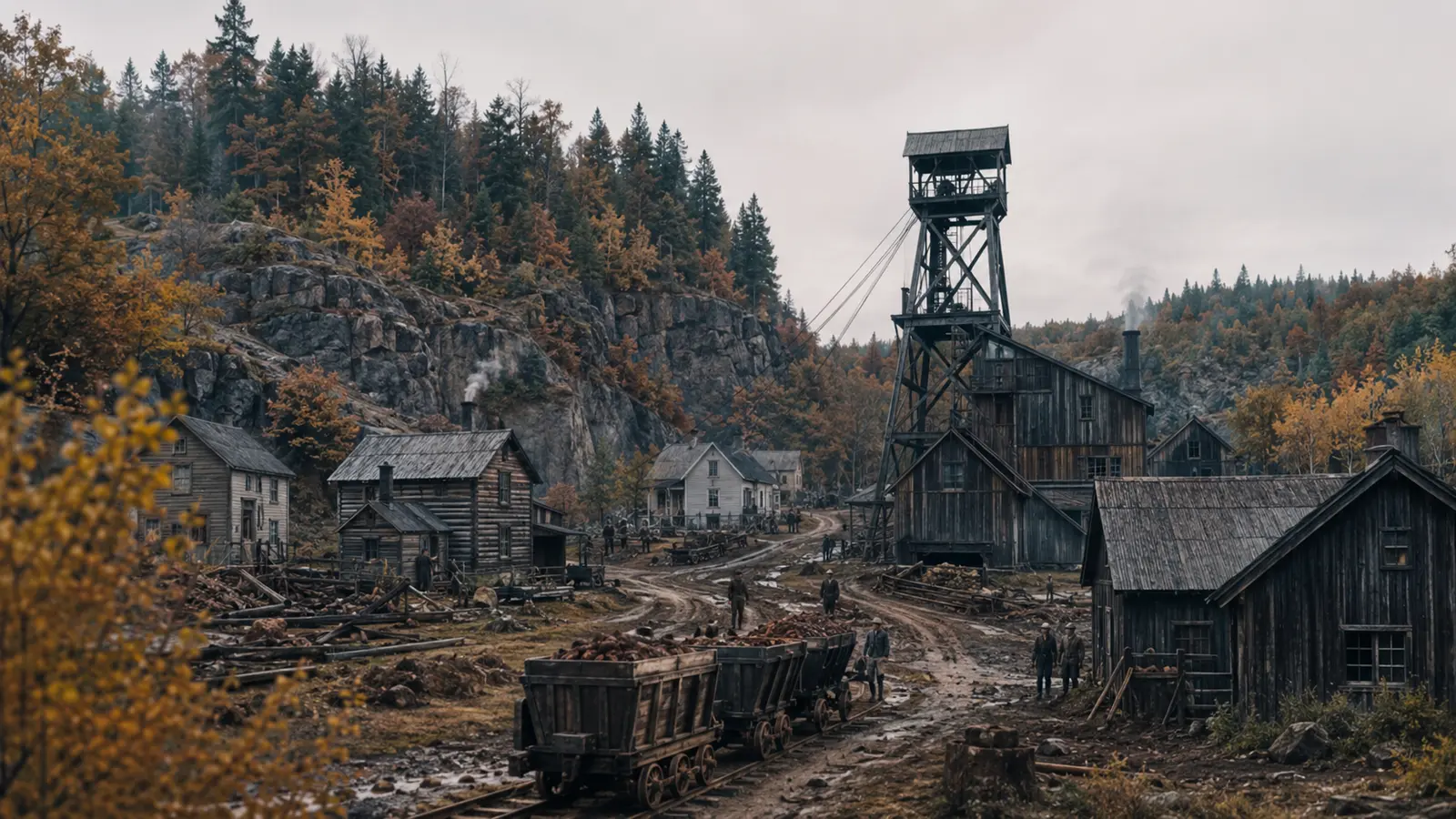
The Library of Congress holds the Farm Security Administration photograph group, including mine ruins, buildings and portraits.
Use archival records to explore Mansfield before considering a site visit. Land ownership and access should be verified rather than inferred from old photographs.
Why this story matters
Mansfield shows why people belong in abandonment history. A ruin-only account would miss the residents who negotiated decline in real time.
Places like this are often reduced to a single dramatic label—ghost town, ruin, failure—but the physical remains tell a more complicated story. Economic decisions, transportation networks, natural resources and public policy all shape whether a community grows, adapts or disappears. Reading the landscape carefully means remembering that these were workplaces and homes before they became destinations.
Primary reference: Library of Congress — Mansfield, Michigan. This article summarizes public-history information in original language and adds editorial context; it does not reproduce the source text.