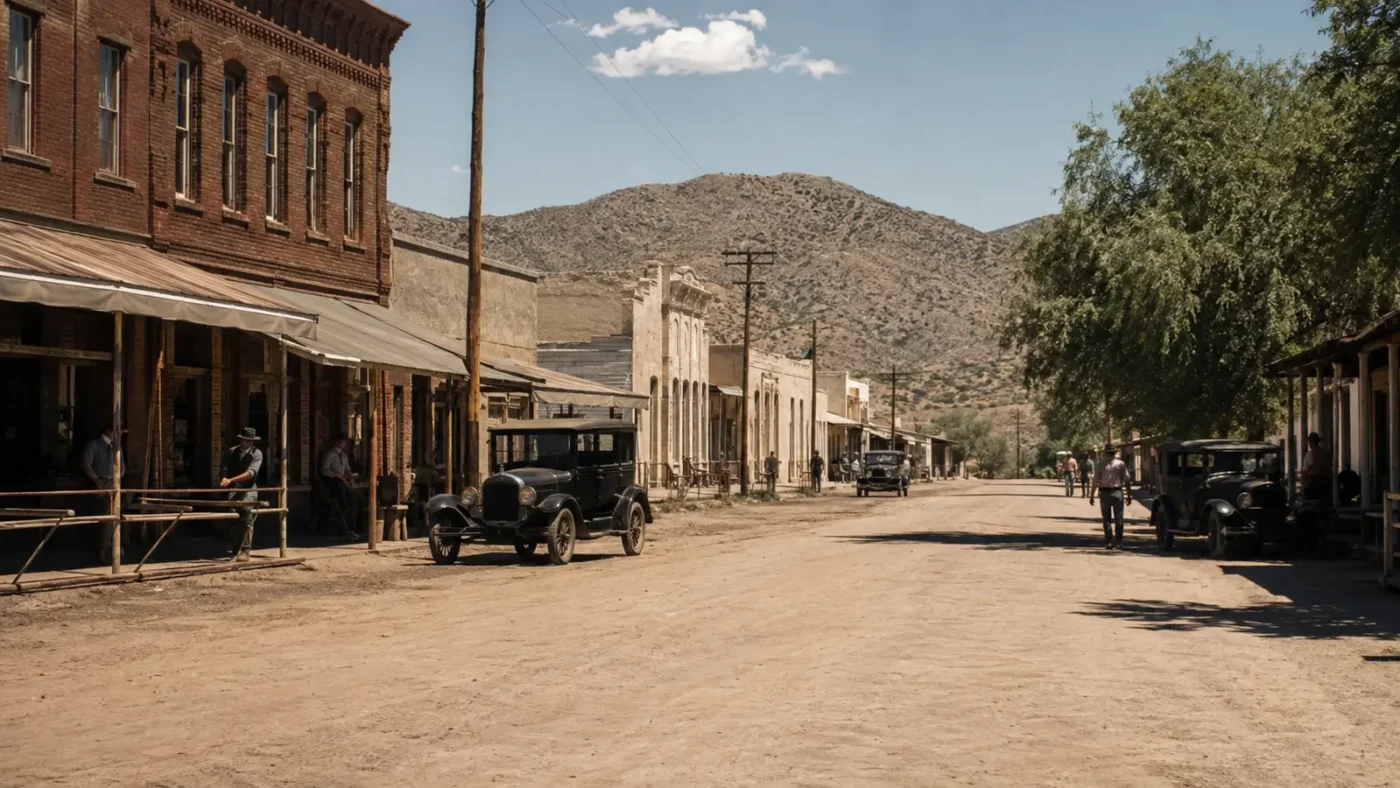
At a glance: A famous mining town documented during a quieter, partly abandoned period.
Modern Tombstone is marketed through legends of the Old West, but federal photographs from 1937–1940 captured a town whose mining-era prominence had already receded.
How the place took shape
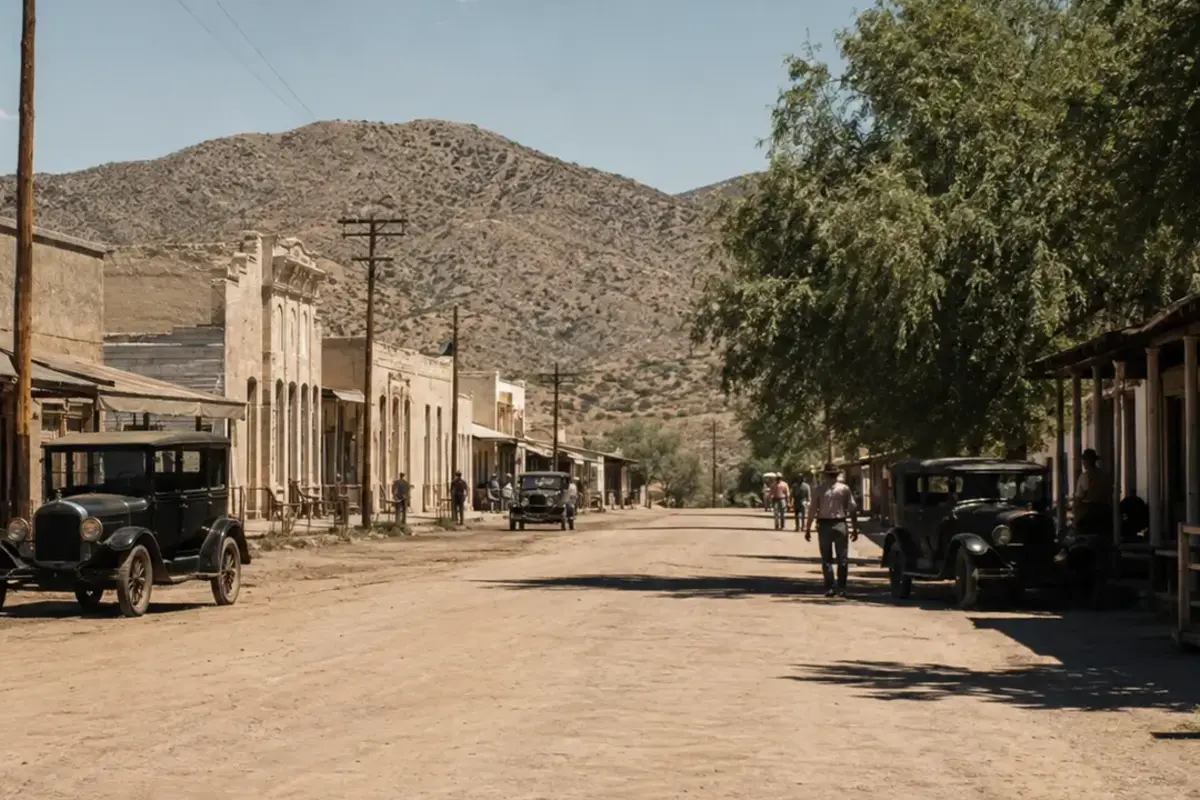
Silver discoveries drove rapid growth in the 1880s. Mining, commerce and political institutions made Tombstone far more than the handful of violent episodes repeated in popular culture.
Families, workers and business owners lived alongside the entertainment districts. Fire, water problems and unstable mining economics challenged the settlement.
Why the community changed
When major mining activity declined, population and investment fell. Tombstone remained occupied but entered a period that photographers described as partly abandoned.
Later heritage tourism reframed surviving buildings as assets. The town demonstrates that decline can be followed by reinvention rather than total disappearance.
What remains today
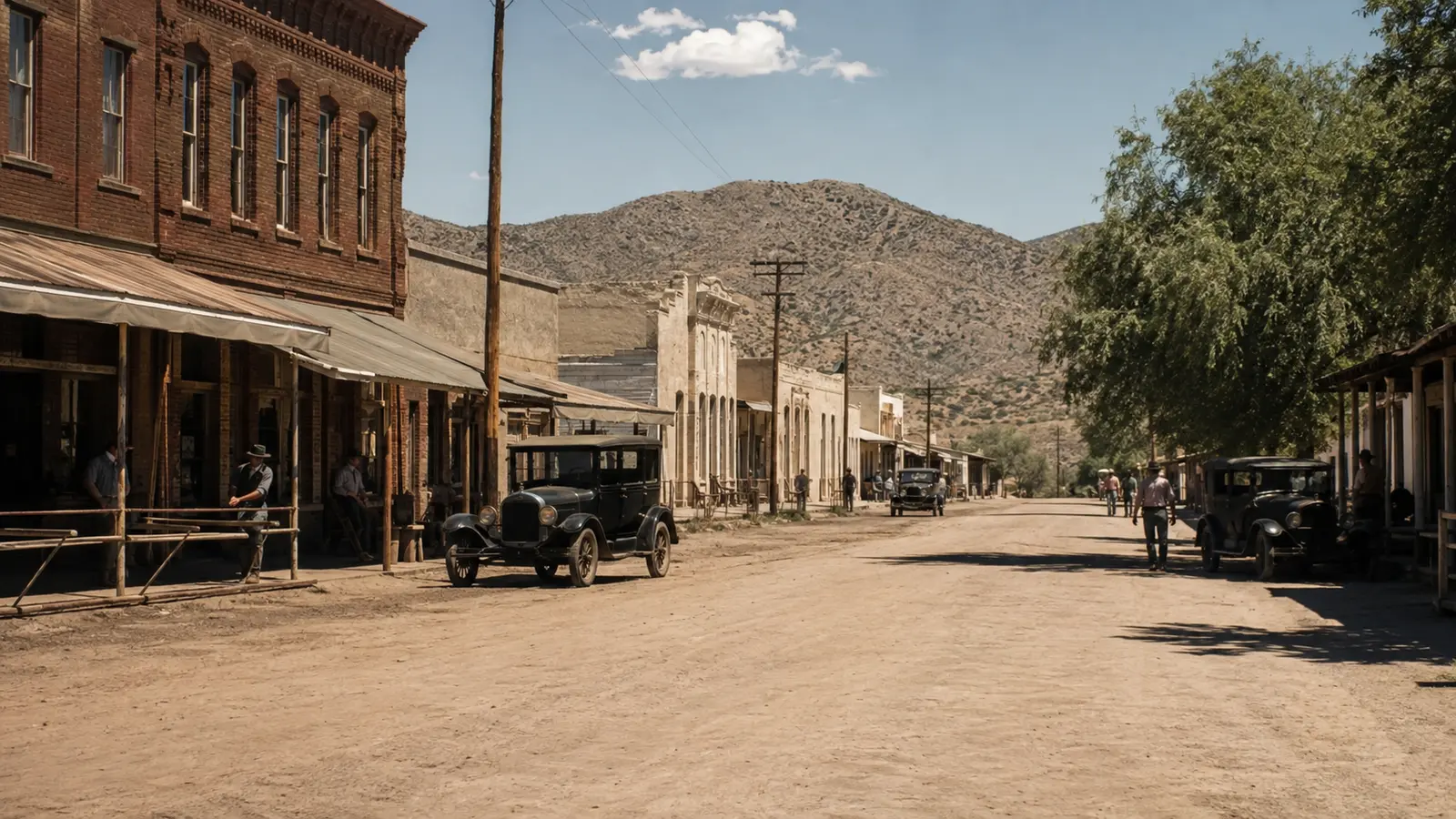
The Library of Congress holds a substantial group of photographs created by Russell Lee and Dorothea Lange-era federal documentation.
Visit as a living community and historic district, not as an abandoned site. Distinguish staged attractions from primary-source history.
Why this story matters
Tombstone shows how reputation can preserve a place while simplifying it. Archival photographs help recover the less theatrical years between boom and tourism.
Places like this are often reduced to a single dramatic label—ghost town, ruin, failure—but the physical remains tell a more complicated story. Economic decisions, transportation networks, natural resources and public policy all shape whether a community grows, adapts or disappears. Reading the landscape carefully means remembering that these were workplaces and homes before they became destinations.
Primary reference: Library of Congress — Tombstone, Arizona. This article summarizes public-history information in original language and adds editorial context; it does not reproduce the source text.