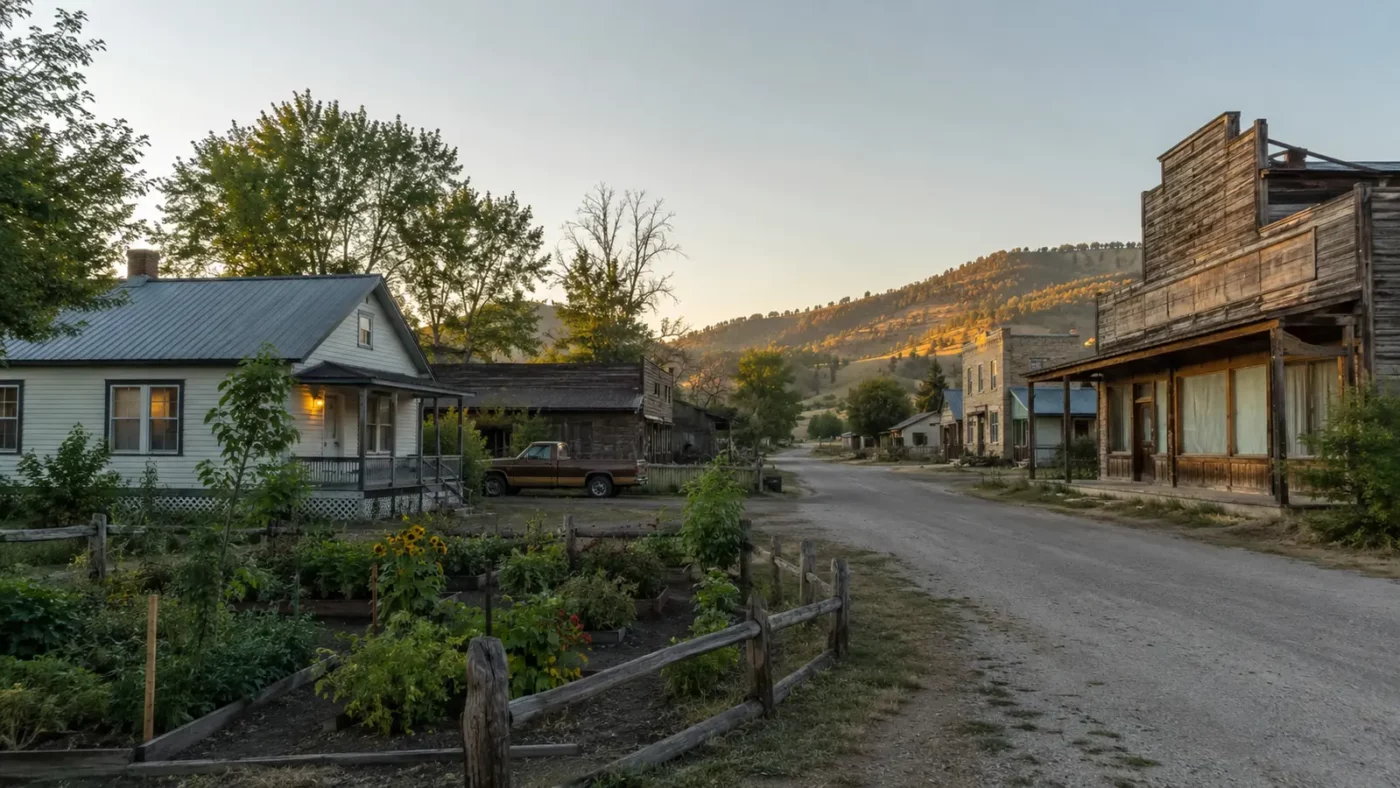
At a glance: A checklist for more accurate captions, articles and travel videos.
“Ghost town” is powerful shorthand, but it can be wrong, disrespectful or legally misleading. Some places have residents, tribal connections, active businesses or protected archaeological resources.
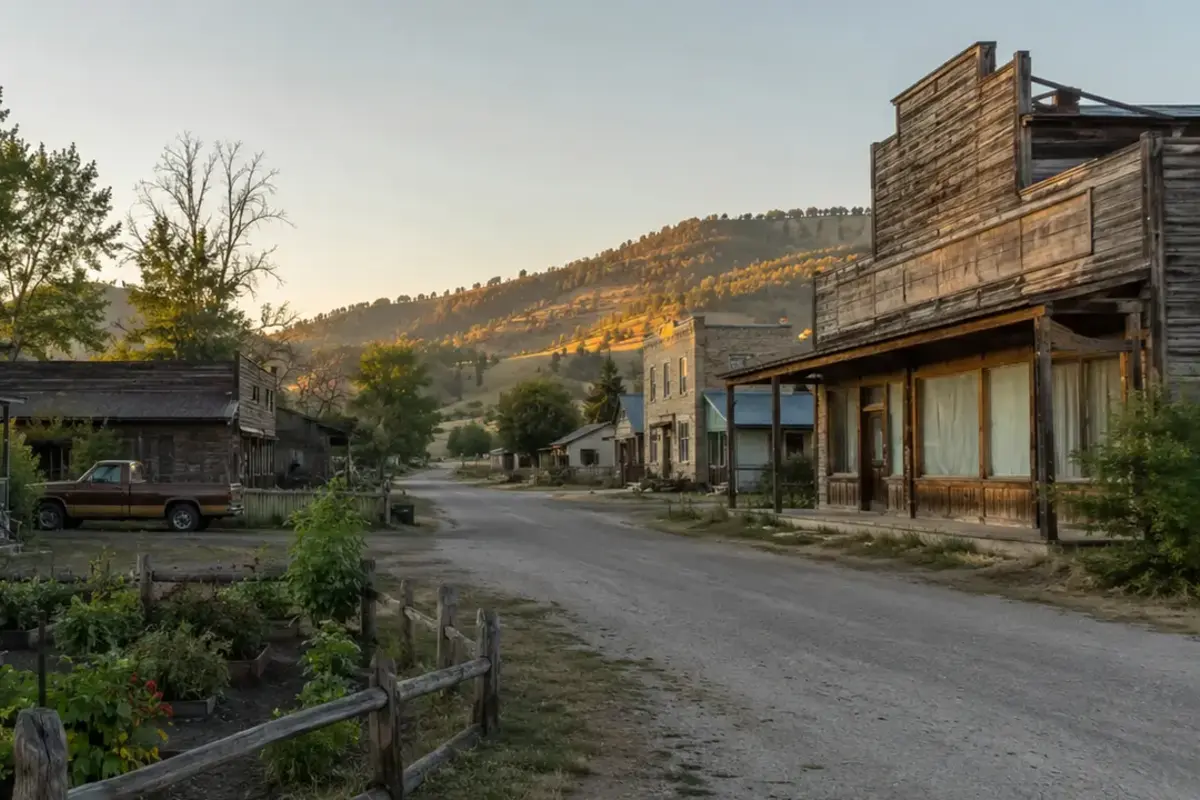
How the place took shape
First ask whether anyone still lives there. Second, identify who owns and manages the land. Third, determine which economic function ended and which continue.
Fourth, check whether the name refers to a town, company camp, resort, neighborhood or archaeological site. Fifth, establish whether buildings are original, reconstructed or moved.
Why the community changed
Sixth, verify the claimed cause of decline. A bypass may matter, but so may fire, discrimination, resource depletion or policy. Seventh, confirm current access independently.
These questions turn a label into research. They also prevent creators from directing audiences toward unsafe or private property.
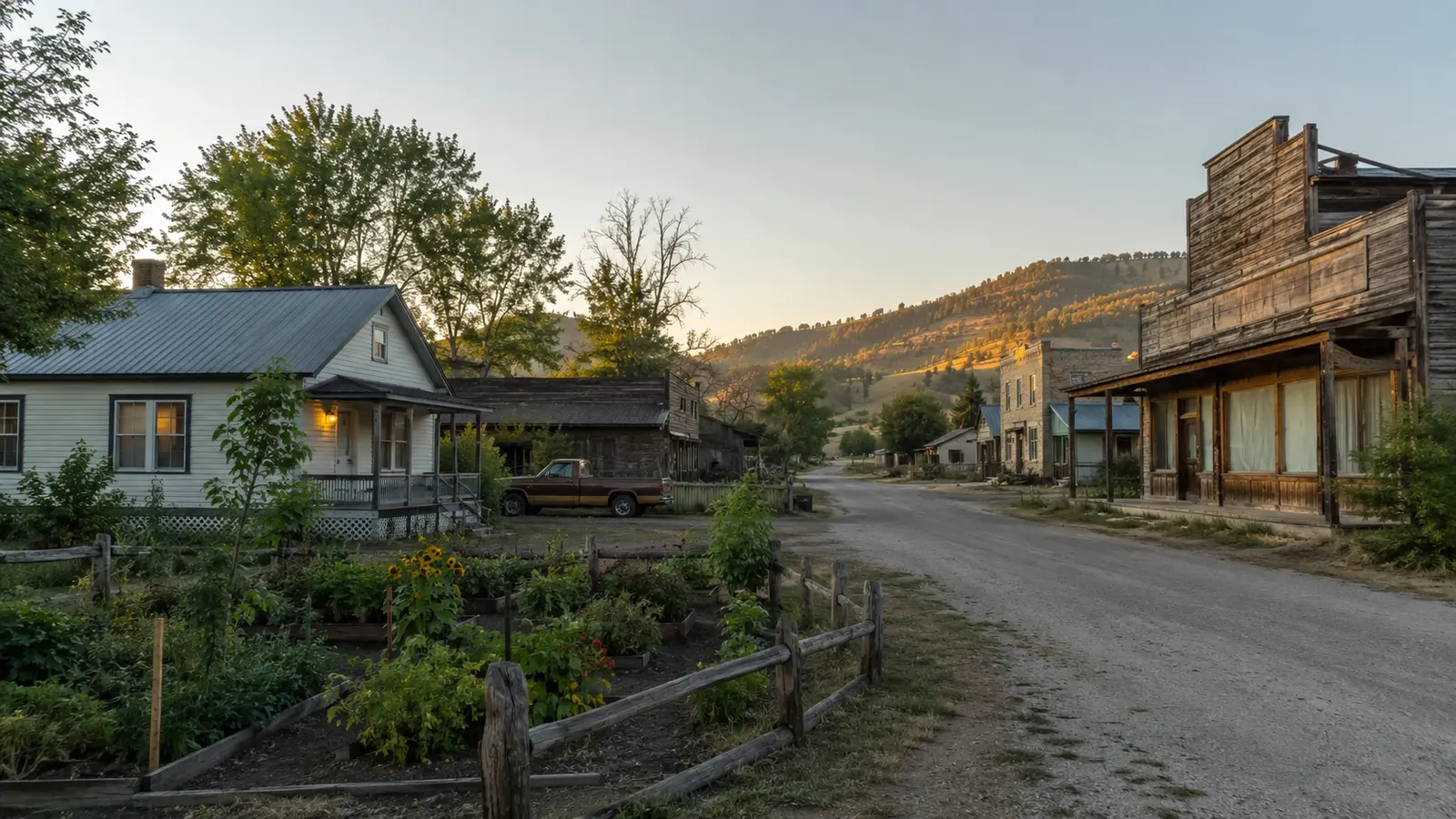
What remains today
A place can be historically significant without being empty. Tombstone, Cairo and Hawikuh each demonstrate a different reason to use precise language.
National Park Service and Library of Congress records provide starting points, while current local agencies clarify access and living-community concerns.
Why this story matters
If uncertainty remains, write “former mining community,” “partly abandoned district” or “historic town site.” Precision is more compelling than an unsupported mystery.
Places like this are often reduced to a single dramatic label—ghost town, ruin, failure—but the physical remains tell a more complicated story. Economic decisions, transportation networks, natural resources and public policy all shape whether a community grows, adapts or disappears. Reading the landscape carefully means remembering that these were workplaces and homes before they became destinations.
Primary reference: https://www.nps.gov/subjects/abandonedplaces/visit.htm. This article summarizes public-history information in original language and adds editorial context; it does not reproduce the source text.