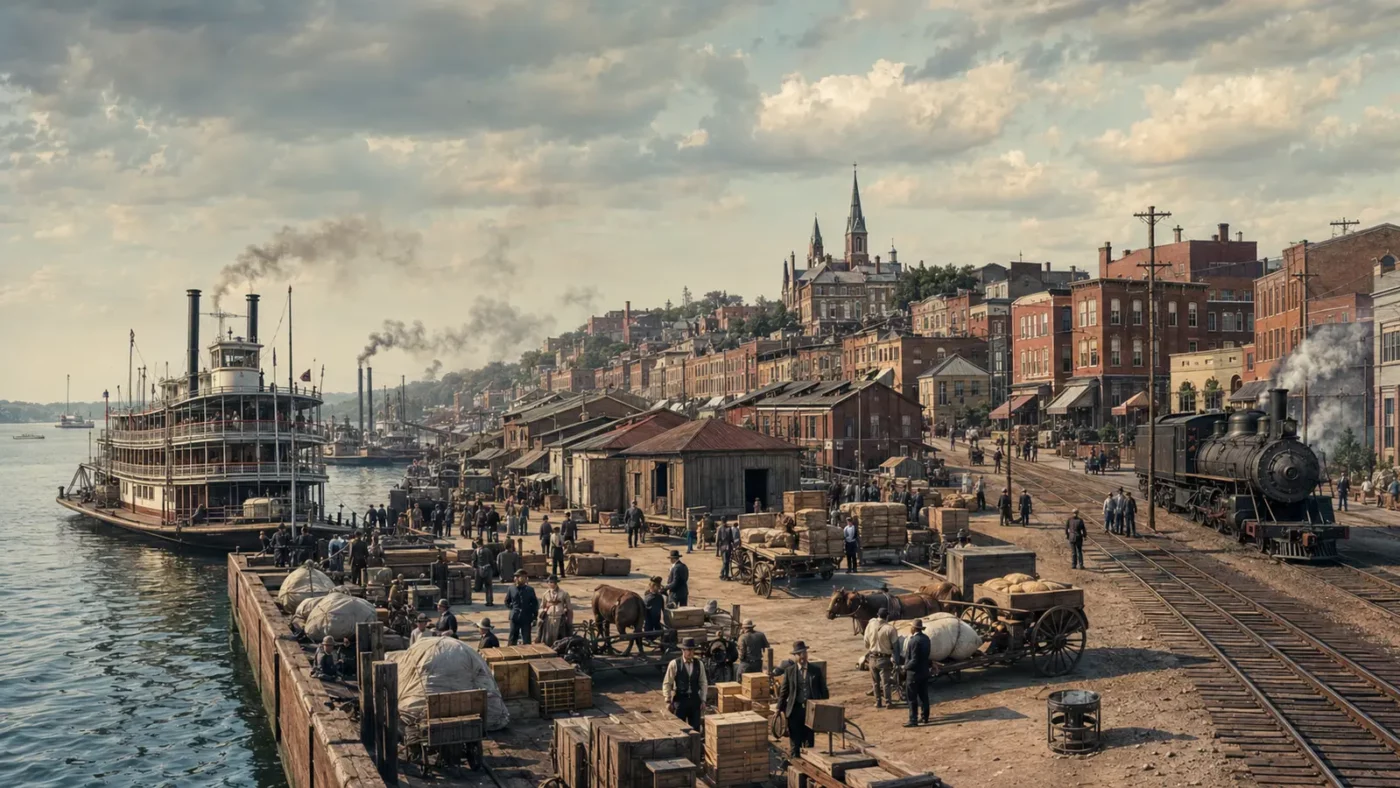
At a glance: A dramatically depopulated city at the meeting of the Ohio and Mississippi rivers.
Cairo is not an uninhabited ghost town, and calling it one can flatten a difficult history. It is a living city with a far smaller population and a landscape marked by economic change, flooding and racial conflict.
How the place took shape
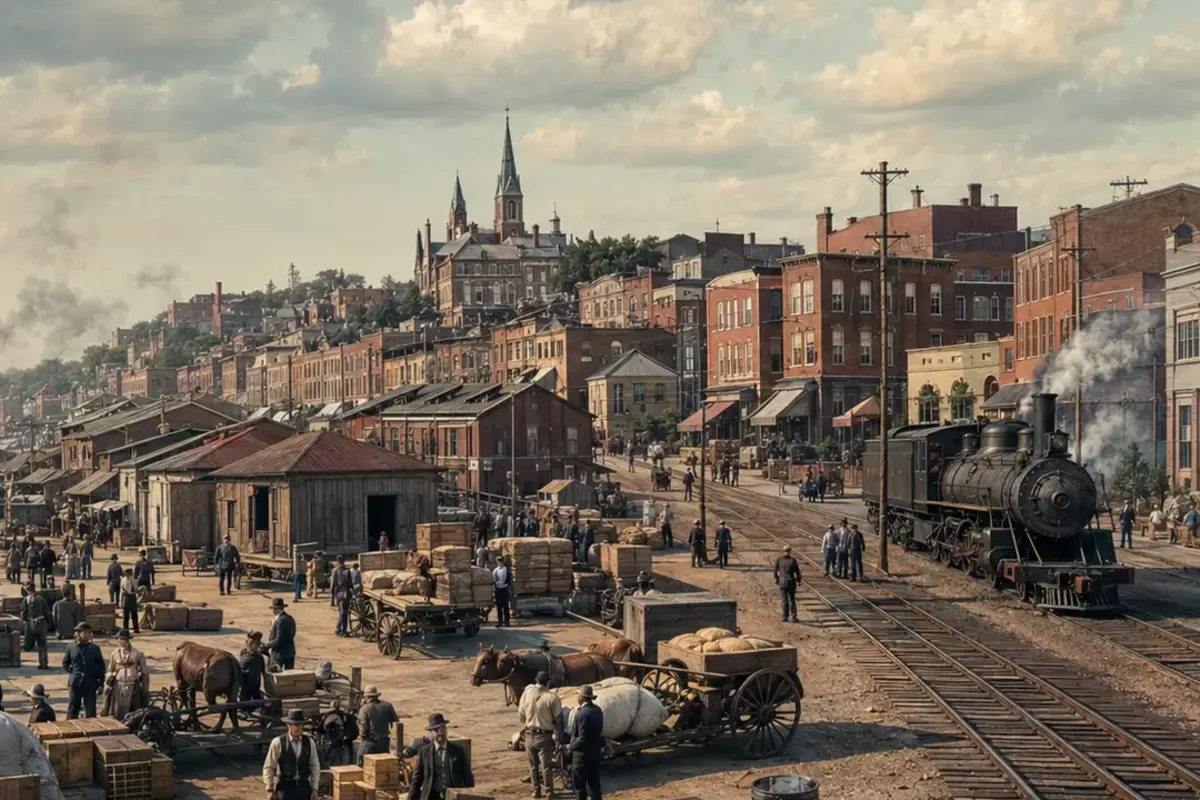
Its position at a major river confluence made Cairo important to steamboat, rail and commercial networks. Warehouses, civic buildings and businesses reflected its regional role.
Residents built institutions in a city whose geography offered opportunity but also flood risk. Black residents created businesses and civic life while facing entrenched segregation and discrimination.

Why the community changed
Changes in transportation and commerce weakened the local economy. Severe racial conflict and boycott movements in the twentieth century accelerated business closures and population loss, while floods added further pressure.
Abandoned buildings are the visible result of intertwined structural forces, not proof that residents stopped caring. Simplified ruin photography can obscure the people who remain.
What remains today
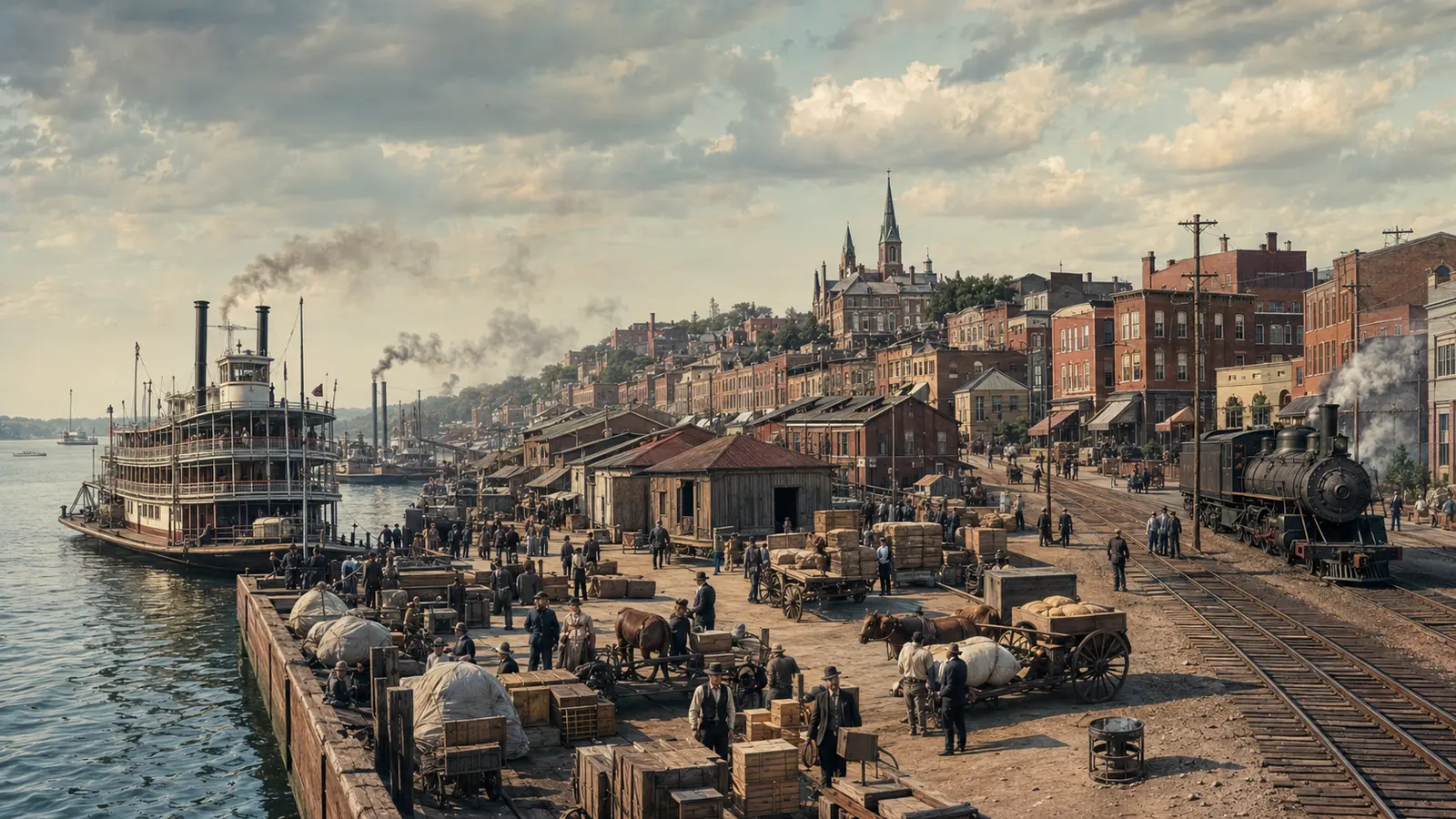
The Library of Congress documents Cairo through the Carol M. Highsmith archive and earlier federal photography, preserving evidence of architecture and changing streetscapes.
Visitors should treat Cairo as a present-day community, support lawful local businesses and avoid entering vacant property. People’s homes are not props.
Why this story matters
Cairo requires responsible storytelling. Decline is not an aesthetic; it reflects policy, exclusion, investment decisions and the resilience of residents who continue to call a place home.
Places like this are often reduced to a single dramatic label—ghost town, ruin, failure—but the physical remains tell a more complicated story. Economic decisions, transportation networks, natural resources and public policy all shape whether a community grows, adapts or disappears. Reading the landscape carefully means remembering that these were workplaces and homes before they became destinations.
Primary reference: Library of Congress — Cairo, Illinois. This article summarizes public-history information in original language and adds editorial context; it does not reproduce the source text.