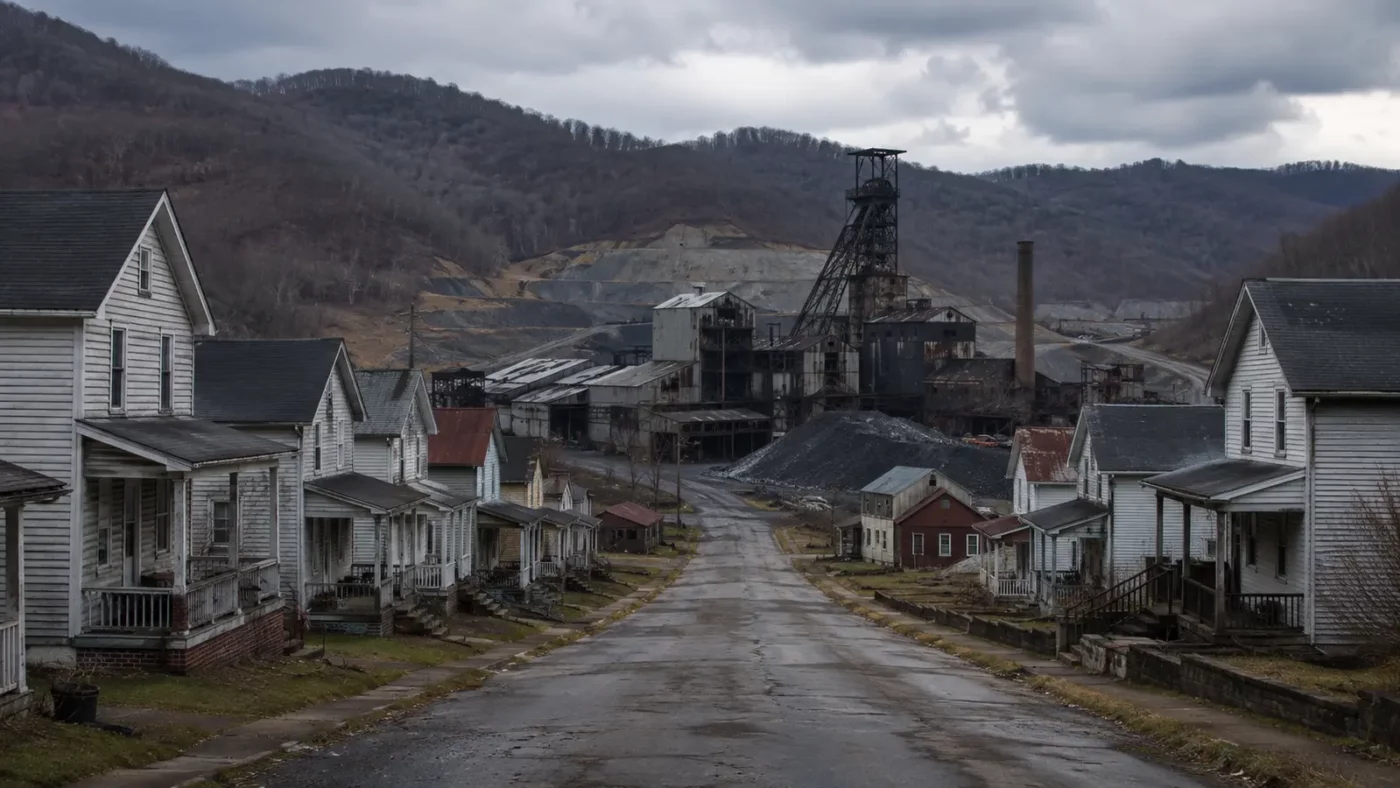
At a glance: Why settlements built by one employer were efficient, close-knit and economically vulnerable.
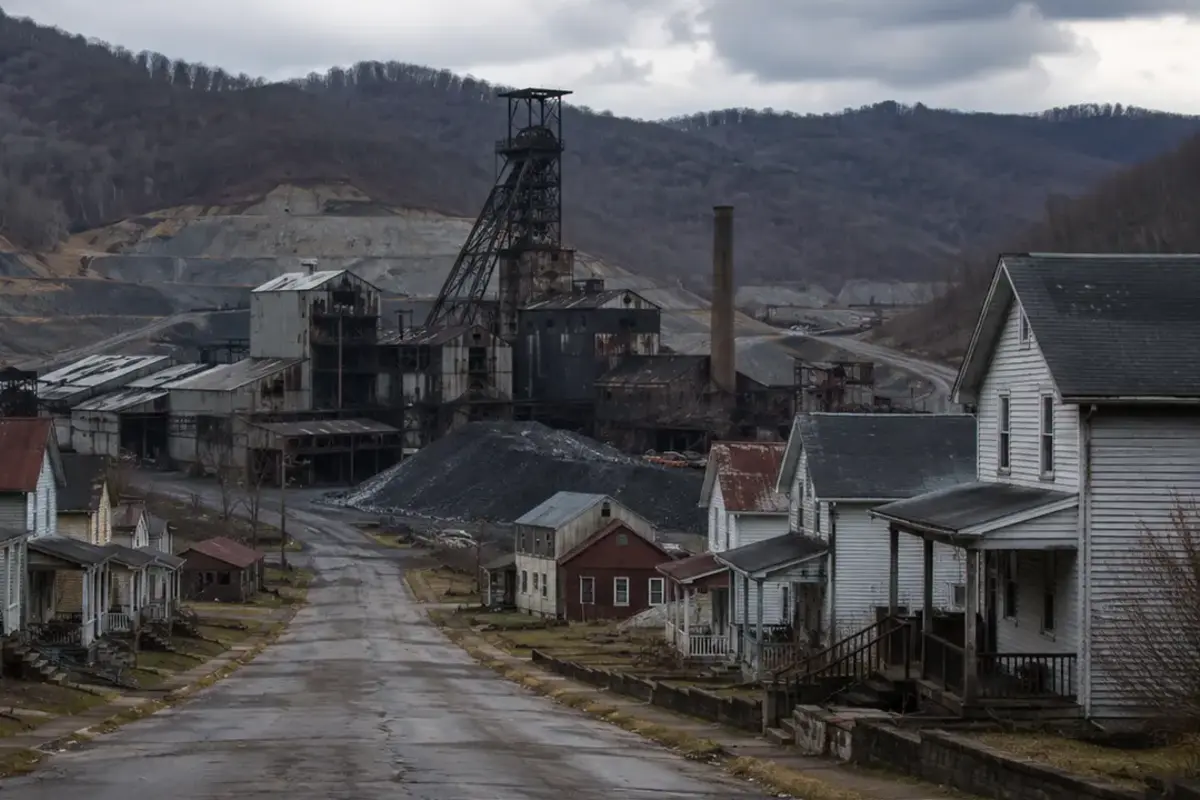
A company town places housing, work and often stores, schools or utilities under the influence of one employer. That concentration can create a community quickly in a remote location.
How the place took shape
Mining, lumber and manufacturing companies used towns to secure labor near resources. Railroads and processing plants connected the settlement to outside markets.
Residents formed churches, sports teams and family networks that were never reducible to company policy. At the same time, employment and housing insecurity could be linked.
Why the community changed
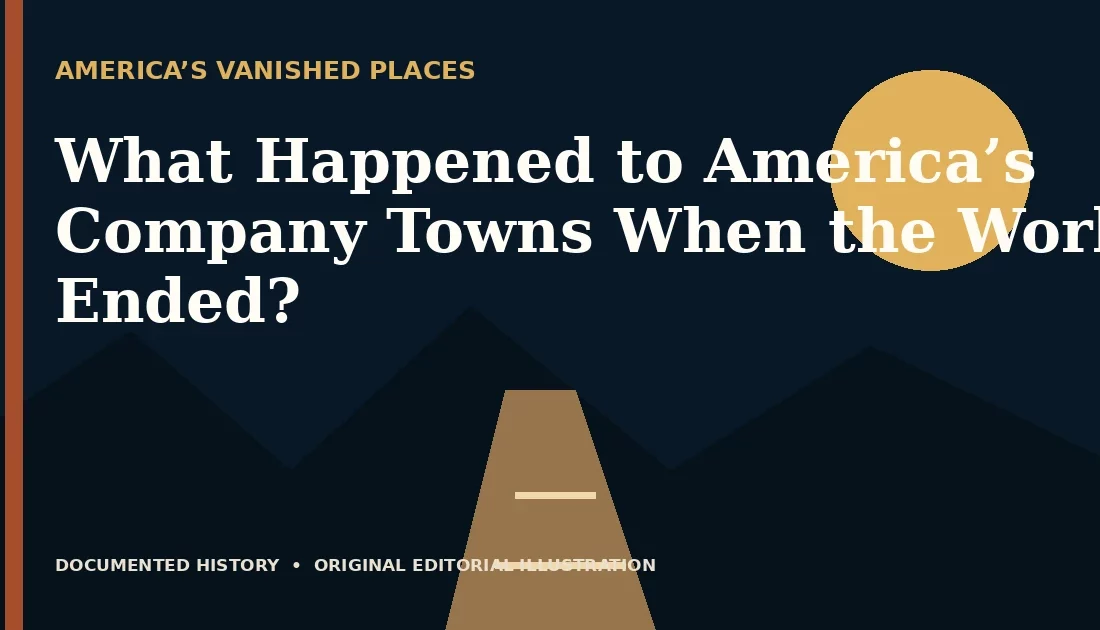
When the mine, mill or factory closed, multiple parts of local life failed together. A diversified city might absorb job loss; a remote company town often could not.
Some settlements were dismantled, some sold and some slowly emptied. Former residents frequently carried community identity into reunions and oral histories.
What remains today
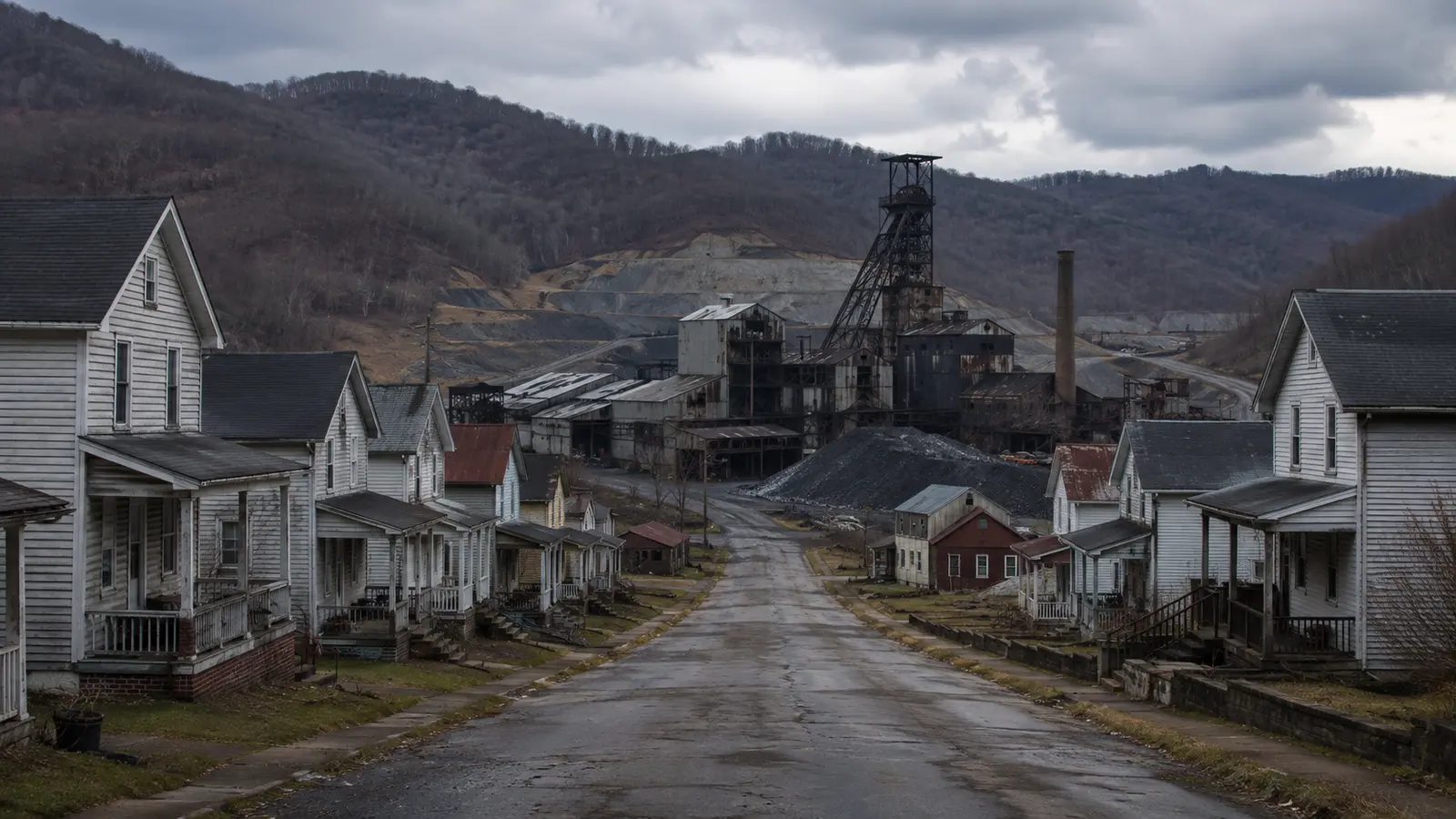
Blue Heron, Kentucky, is interpreted by the National Park Service through both industrial structures and the voices of people who lived at Mine 18.
Company-town sites often contain mine hazards and private parcels. Study them through authorized tours and archives.
Why this story matters
The lesson is not that these communities were artificial. It is that real social life was built on a dangerously narrow economic base.
Places like this are often reduced to a single dramatic label—ghost town, ruin, failure—but the physical remains tell a more complicated story. Economic decisions, transportation networks, natural resources and public policy all shape whether a community grows, adapts or disappears. Reading the landscape carefully means remembering that these were workplaces and homes before they became destinations.
Primary reference: National Park Service — Blue Heron. This article summarizes public-history information in original language and adds editorial context; it does not reproduce the source text.