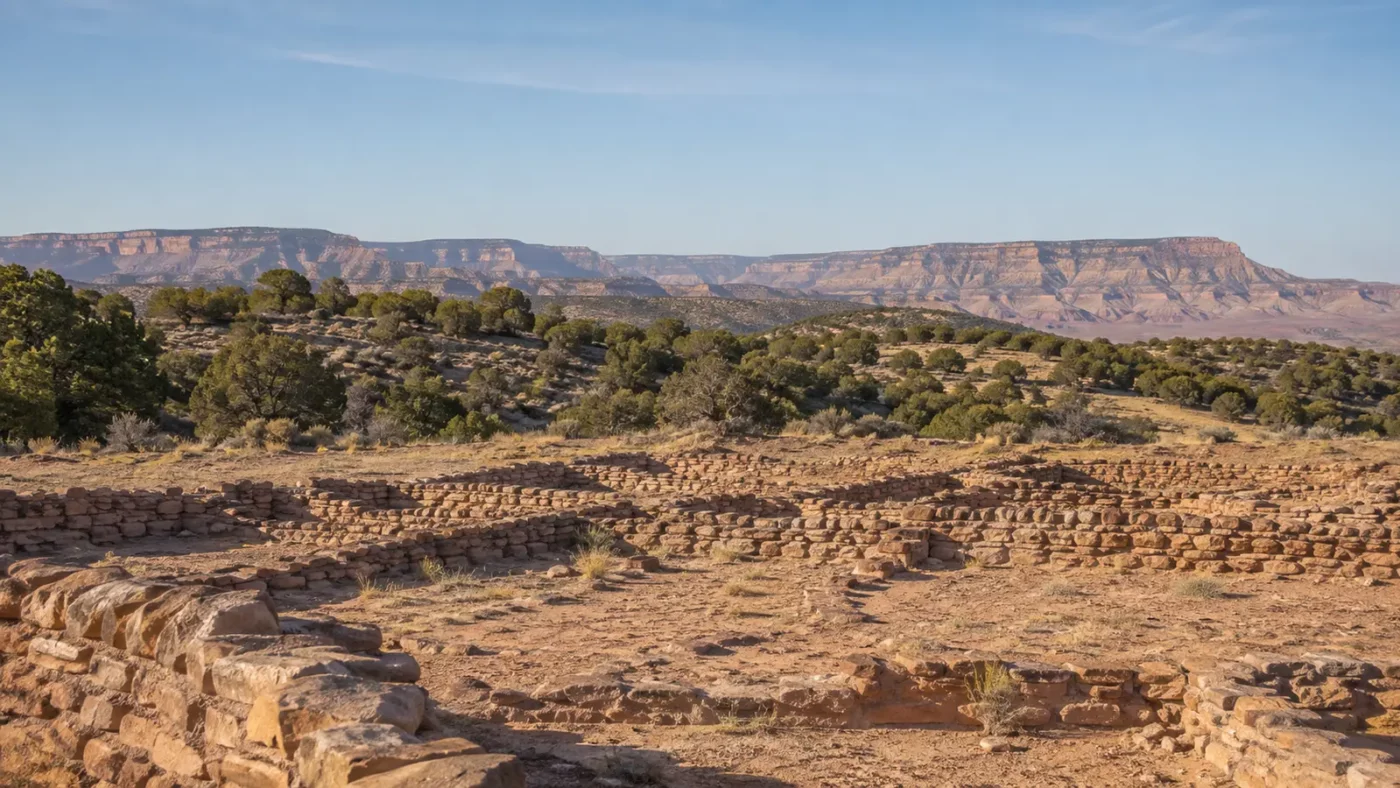
At a glance: An ancestral Zuni pueblo and archaeological landscape that requires cultural respect.
Hawikuh should not be treated as a recreational ghost town. It is a place of deep Zuni history whose archaeological remains connect living communities to centuries of settlement.
How the place took shape
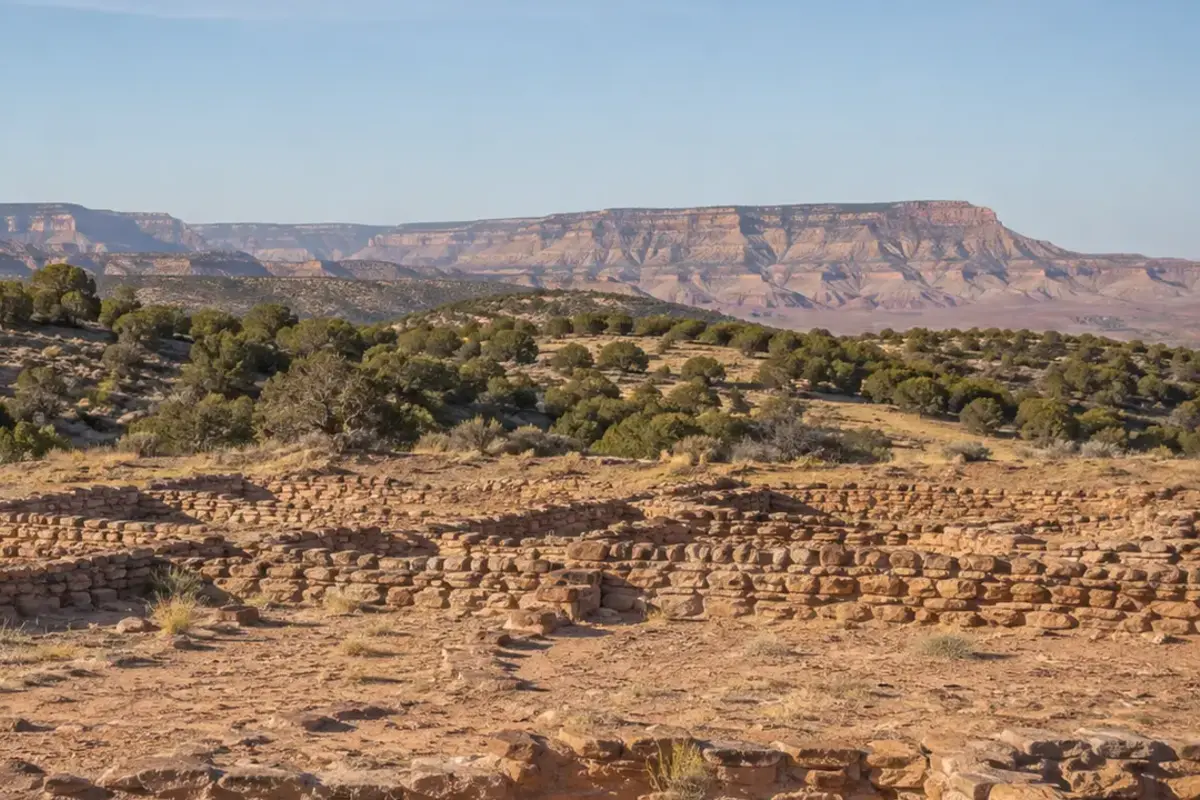
The pueblo was established long before Spanish arrival and became one of the largest Zuni settlements. It was the first Zuni pueblo encountered by Spanish expeditions searching for imagined cities of wealth.
Architecture, artifacts and buried evidence record changing Indigenous life, exchange and adaptation. Spanish intrusion added conflict and colonial pressure to an already complex history.
Why the community changed
The settlement was eventually left as residents consolidated elsewhere, but abandonment of buildings did not end cultural connection to the place.
Calling such a site empty can erase descendants and ongoing sovereignty. Archaeological landscapes remain meaningful even without permanent occupation.
What remains today
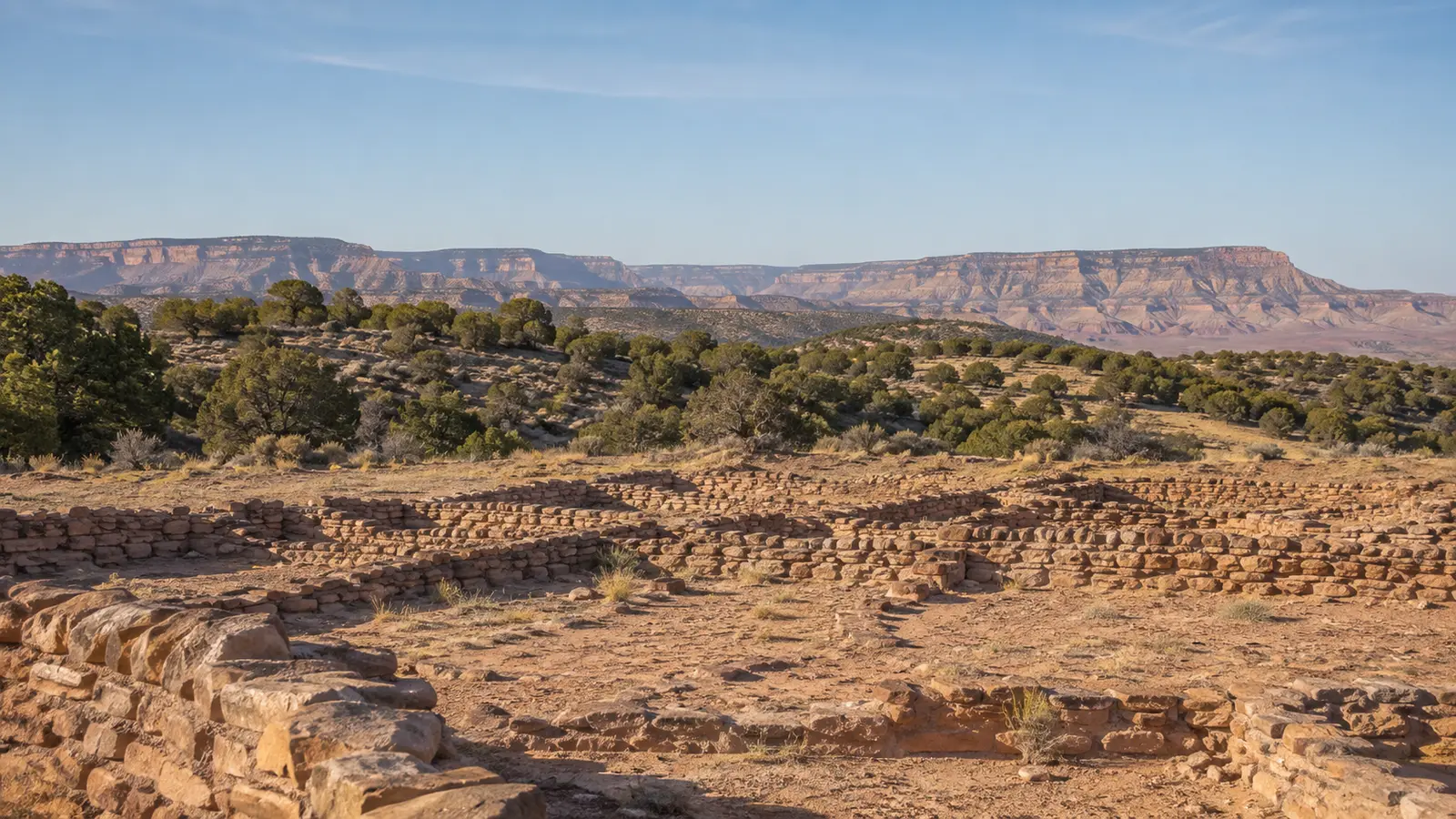
The National Park Service lists Hawikuh and the Zuni–Cibola Complex for their national significance. Access and interpretation are connected to Zuni Pueblo authorities.
Do not visit without current permission and official guidance. Never remove objects, share sensitive location information or frame ancestral sites as adventure destinations.
Why this story matters
Hawikuh changes the vocabulary of vanished places. Physical ruins can coexist with living identity, memory and rights.
Places like this are often reduced to a single dramatic label—ghost town, ruin, failure—but the physical remains tell a more complicated story. Economic decisions, transportation networks, natural resources and public policy all shape whether a community grows, adapts or disappears. Reading the landscape carefully means remembering that these were workplaces and homes before they became destinations.
Primary reference: National Park Service — Hawikuh and Zuni-Cibola Complex. This article summarizes public-history information in original language and adds editorial context; it does not reproduce the source text.